Do you know where every asset is right now?
How asset tracking stops more than theft is easier to grasp once you ask a simple question. Where is every trailer, machine and high-value item right now, and what is it doing? TrafficAngel supplies a GPS asset tracking system that reports the location of each asset, keeps a record of where it has been, and raises an alert when something moves outside its usual pattern. Theft is one reason operators fit it, but it is far from the only one.
Where vehicle tracking runs out
Most fleets already track their vehicles. Far fewer track the trailer behind the cab, the excavator sitting on a compound, or the tools loaded in the back of a van. That is the gap, because the asset and the vehicle are not always in the same place. A trailer can be dropped in a yard and left for a week. A digger can stay on site after the crew has gone home. A generator can travel to the next job on a lorry that is not yours. In each case a vehicle tracker reports on the cab and tells you nothing about the asset you actually care about.
Asset tracking closes that gap. A device fitted to the trailer, the plant or the equipment reports on its own, whether or not it is coupled to a vehicle. You see the trailer in the yard, the digger on the compound and the machine out on the road, because the information comes from the asset itself. Once you can see the asset itself, you can do a lot more with it than react to a break-in.
Book a Demo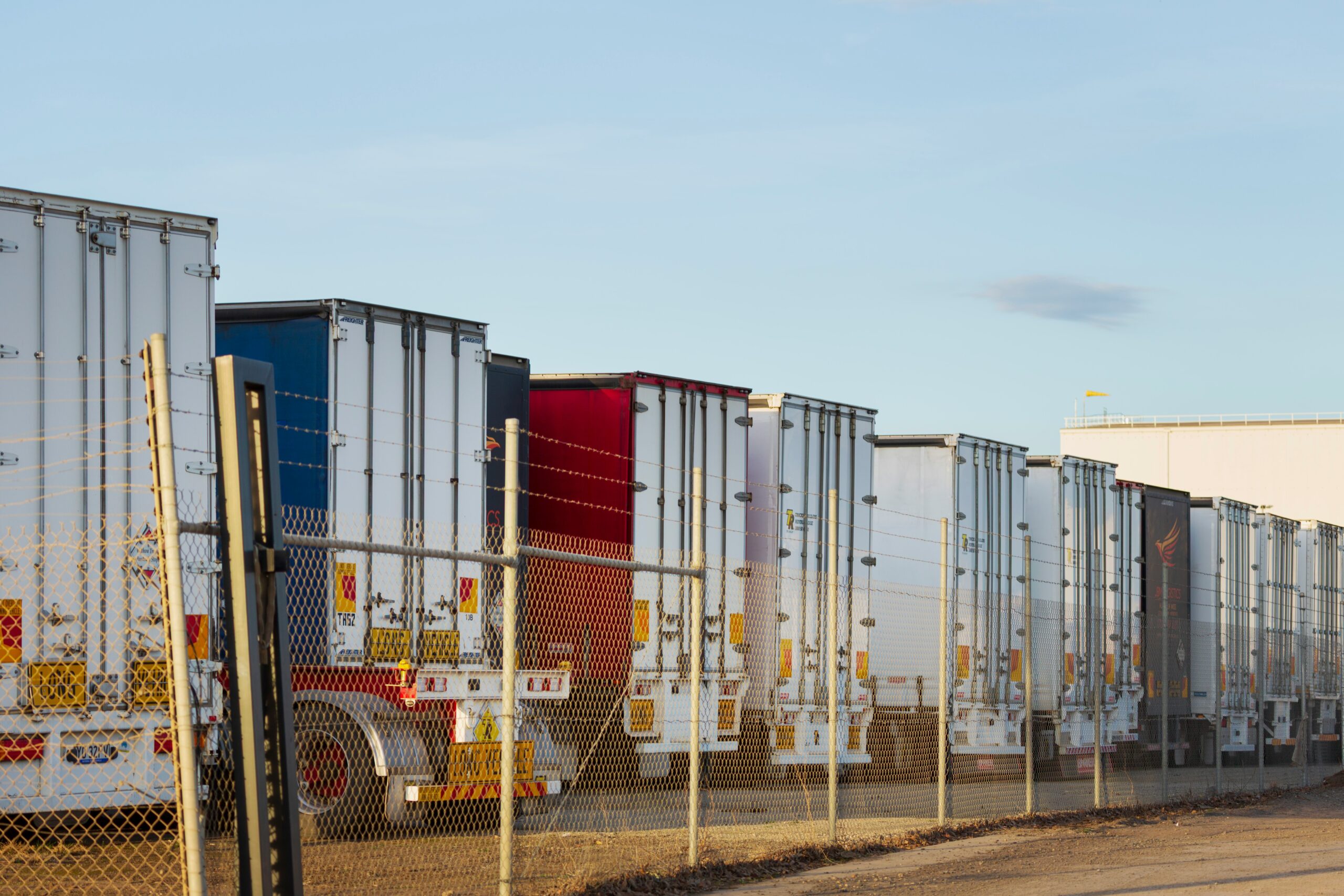
What asset tracking shows you day to day
Security is one reason to fit it, but the system earns its keep long before anything goes missing. Knowing where your equipment is saves the hours normally lost to phone calls working out which yard a trailer was left in or which site has the spare machine. It lets you move kit you already own to where it is needed, instead of hiring a replacement.
It gives you a clear record when there is a question over hours, locations or usage. Across several sites, it puts the whole operation on one screen rather than leaving a manager to guess.
This is the part that often gets missed. The same location data that helps recover a stolen trailer is what keeps the fleet organised the rest of the year. That is how asset tracking stops more than theft.
The features that do the work
The platform is built to be read at a glance, at a desk or on a phone. The parts that do the day-to-day work are:
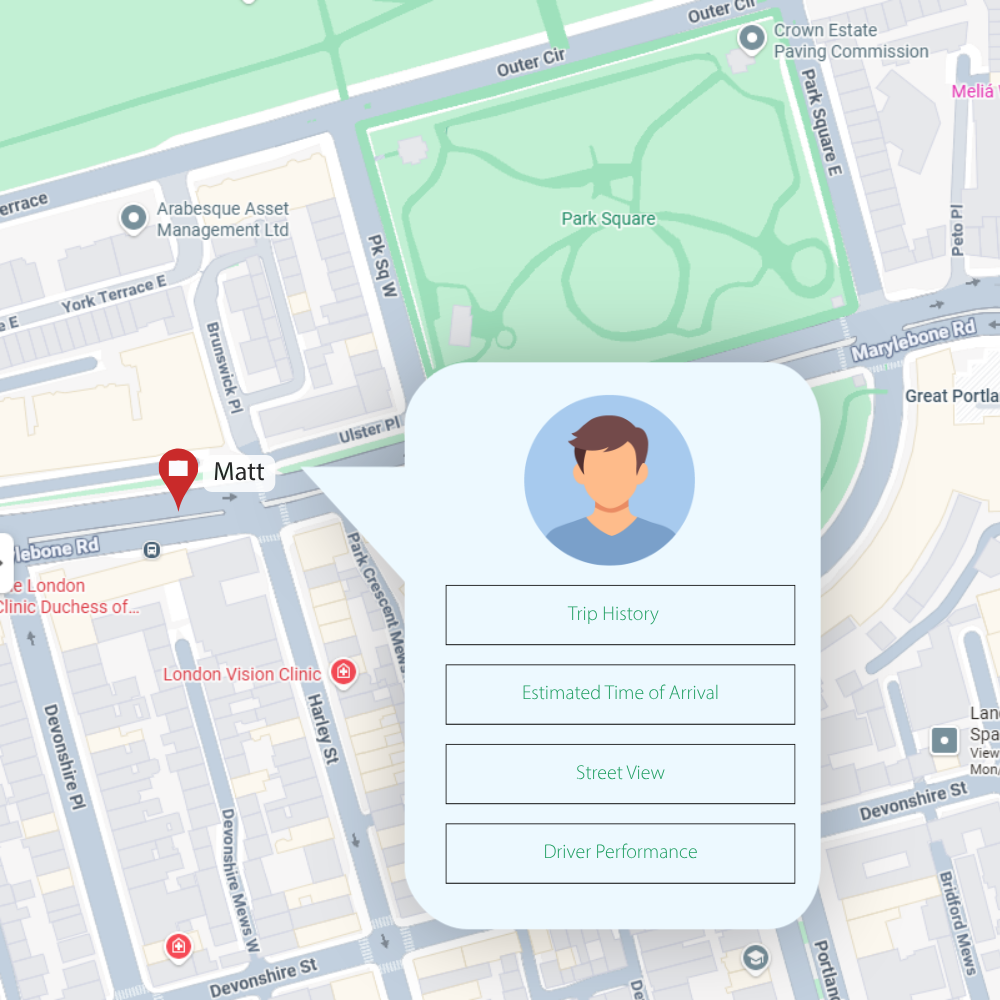
Recent location visibility. See the latest position of each asset in the software. Trackers report daily as standard and can be set to update more often where an asset needs closer watching.
Location history. Every tracker keeps the route an asset has taken, so a journey can be checked after the event. This helps with planning, accountability and answering questions about where a machine has been.
Geofence alerts. Draw a boundary around the yard or compound an asset is meant to stay in, and get a notification the moment it crosses the line. For kit that should sit still for days at a time, that is usually the first sign something is wrong.
Custom alerts and monitoring. Build alerts around location and time of day, so you hear about a movement at an odd hour or outside an expected area instead of finding out the next morning.
Mobile and desktop access. Run the platform from the office or on the move, with the same controls on each and the layout sized for the screen in front of you.
Flexible reporting intervals. Choose how often each tracker reports and set it per asset, so you can balance close visibility against sensible battery use.
Where theft and freight crime come in
Theft is the angle that makes the headlines, and for good reason. Freight crime cost UK operators an estimated £111 million in 2024, and the Road Haulage Association believes the true figure is several times higher once downtime, repairs and insurance are added in. Trailers are cut from units in overnight park-ups, curtains are slashed at service areas, and plant is taken off site after dark. In many of these cases the vehicle tracker looks normal while the load or the machine is already gone.
This is where asset tracking changes the result. The alert comes from the asset, not the cab it was separated from, so you find out while there is still time to act. In practice it runs in three steps:
1. The alert triggers.
The platform alerts you when the asset leaves a geofence or moves during a planned stand-down.
2. You confirm it and pass it to the police.
You check the position against the schedule and, where cameras are fitted, review the footage, then pass a live, time-stamped track to the police with the asset and vehicle details they need.
3. It tracks through recovery.
The tracker keeps reporting until the asset is back or the device is tampered with, and the platform leaves you a clean record for insurers and customers.
The Tracker Hardware
The trackers are small enough to sit in the palm of your hand and built to keep working in demanding commercial conditions. They run on their own battery, with a life of around three to four years depending on conditions and how often they report, so they can be fitted without external wiring and then left to do their job. With no wiring loom, there is nothing for a professional thief to trace and cut, which is a common weakness of standard vehicle trackers.
They use sleeper technology and stay dormant until they need to report, which makes them harder to find than always-on devices and well suited to recovery. The tracker can be fitted by our expert engineers, or by a suitably qualified professional within your own team. It can then be positioned discreetly inside the asset and reassigned between vehicles, trailers, machinery or equipment as your fleet changes. The platform shows the health of each device, so you know when one needs attention before it goes quiet.
How Asset Tracking Stops More Than Theft
How asset tracking stops more than theft is easiest to see across a normal week, not only on the day something disappears. Set up around a working fleet, the same system helps you stop:
- Theft going unnoticed, because the asset raises the alarm itself rather than the cab it was taken from.
- Time lost searching, because you can see where every trailer and machine is without a round of phone calls.
- Kit being hired in twice, because you can move equipment you already own to the site that needs it.
- Arguments over usage, because the location history settles where an asset was and when.
- Machines sitting idle, because you can spot equipment parked on the wrong site and put it back to work.
Used this way, asset tracking does far more than guard against theft. Most days it is keeping tabs on where your trailers, plant and equipment are and how well they are used, and it is ready the day one of them goes missing.
Talk to TrafficAngel about asset tracking
Asset tracking pays off when the setup matches the kit you run and the sites it moves between. If you want clearer sight of your fleet, plant and equipment, or you carry loads where vehicle tracking on its own falls short, talk to TrafficAngel. The system is supplied and supported from a base in Uckfield, East Sussex, with twenty years behind the products TrafficAngel fits, and the team works with single-asset owners and full-fleet operators alike. Call 01825 768 555 or email sales@trafficangel.co.uk to book a demo.
Contact UsFrequently Asked Questions
Asset tracking uses a GPS device fitted to an asset to report its location to a software platform at set intervals. It covers items such as trailers, plant, machinery and equipment, and helps a business see where assets are, where they have been, and when they move unexpectedly.
Vehicle tracking follows the vehicle. Asset tracking follows the asset itself, such as a trailer or a machine, which matters because the two are often parted. An asset tracker keeps reporting whether or not the asset is attached to a vehicle.
The trackers work on powered and non-powered assets, including vans, trucks, trailers, heavy plant, machinery and equipment.
The asset trackers are battery-powered, with an estimated life of around three to four years depending on operating conditions and how often the device reports.
Yes. Geofence and movement alerts flag unexpected activity early, and the tracker keeps reporting its location, which gives the police live information to act on and supports recovery.
By default they report once a day, and the interval can be set higher for assets that need closer monitoring.