


When operators search for the best way to record blind spots on HGVs and vans, they are usually trying to solve a very real problem. A mirror alone cannot show every risk around a vehicle, especially in busy towns, tight delivery yards and construction environments. The strongest answer is not a single product on its own. It is a properly installed system built around a TrafficAngel digital video recorder, linked to side cameras, live in-cab monitoring, and optional sensors and audible warnings to give drivers and managers a clear record of what happened around the vehicle.
The pain points fleet operators deal with every day
Blind spots create pressure for everyone involved. Drivers are expected to manoeuvre safely in packed streets, fleet managers need evidence when incidents happen, and operators want systems that are reliable rather than fiddly. TrafficAngel’s DVR products show clear video evidence for incident investigation and insurance defence, multi-channel recording for complete vehicle coverage, simple footage retrieval by date and time, secure storage that prevents tampering, and greater driver confidence with protection against false claims.
There is also the issue of practicality. A safety system needs to work in the background without asking the driver to play technician. TrafficAngel DVR systems operate autonomously and can continue recording even after the vehicle is parked. That matters when an incident takes place during a stop, during loading, or just after a manoeuvre when people are still close to the vehicle.
See our Range of DVRs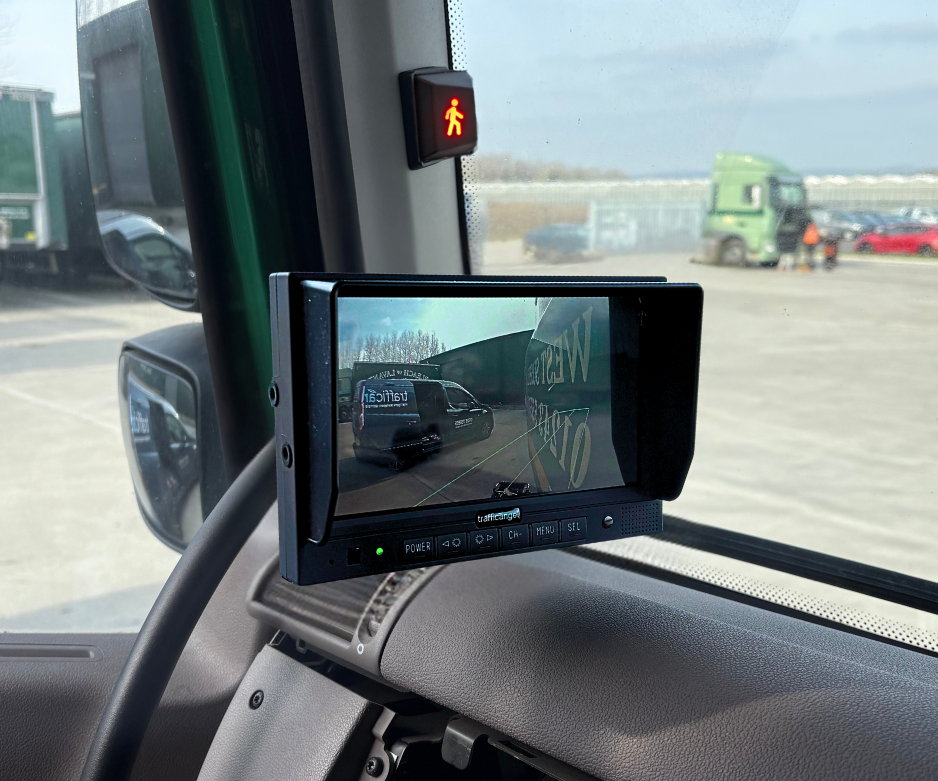
Why a DVR is the centre of the system
Digital Video Recorders are the central hub of a professional vehicle camera system, and that is exactly why it matters so much for blind spot recording. Instead of relying on a single camera feed, a DVR can capture and store footage from multiple cameras around the vehicle. That gives operators a joined-up record rather than a few disconnected glimpses. For HGVs and vans, that can include forward-facing, rear and side-view cameras, plus extra cameras such as internal cabin or load cameras where needed.
The footage is stored in a locked, tamper-proof unit, which is important for incident investigation and claims. With simple retrieval of footage by date and time on the device or a PC, managers are not left digging through files like they are hunting for a lost sandwich in the staff fridge.
The TrafficAngel products that make the difference
A DVR does the recording, but blind spot coverage depends on the right equipment around it. We recommend building a complete system with in-cab monitors, external cameras, sensor systems and audible warnings. That is a practical way to cover the blind side, help the driver during manoeuvres and keep a reliable record for later review.
For side coverage, we offer a range of Side Cameras with options including D1, 720p and 1080p resolution, IP68 and IP69K ratings, infrared night vision on some models, and field-of-view options including 100°, 120° and 150°. Products include the Black Side Camera – D1, IR, 150° and the White Side Camera – D1, IR, 150°. That gives operators room to match the camera choice to the vehicle and application.
For the live driver view inside the cab, we can help with several monitor options, including the Full HD 7″ Monitor with Loom & Bracket, Full HD 7″ 4ch Quad View Premium Monitor, and Full HD 9″ 4ch Quad View Premium Monitor. A quad-view monitor can be especially useful when several cameras are connected to one vehicle and the driver needs a clear live picture of vulnerable areas.
We also have sensor systems that can support camera coverage. The StepProtect 4 Sensor System with SpeedSwitch and SideProtect 6 Sensor System with SpeedSwitch in our front and side sensor range. Alongside that, the turn alarm range includes products such as the CitySafe Left Turn Audible Alarm – Spoken message with Amber Strobes and the CitySafe Left Turn Alarm – Audible spoken message. These products are not a replacement for good camera coverage, but they can add another layer of warning for vulnerable road users and support the overall safety package.
Why installation matters just as much as the kit
A poorly fitted system can let even good hardware down. We are very clear on this point, even the best kit is only as good as the installation. TrafficAngel aims to fit equipment so it looks as if it was installed from factory, and our engineers regularly install DVRs, cameras and Progressive Safe System equipment on expensive vehicles with care and attention to detail.
Blind spot recording only works properly when camera positions, cable runs, storage and triggering are all thought through. We also offer bespoke systems, including magnetised camera systems for wide load transport, switching suzie systems, and custom brackets and sensor housings made using its own 3D printing capabilities. For operators with unusual body types or specialist use, that flexibility matters.
The best way to record blind spots on HGVs and vans with TrafficAngel
So, what is the best way to record blind spots on HGVs and vans in real working conditions? It is to use a TrafficAngel DVR as the recording hub, connect it to properly chosen side cameras, give the driver a suitable in-cab monitor, and add sensors or turn alarms where the job demands them. Then make sure the whole system is installed properly and set up around the actual vehicle, route and risk profile.
TrafficAngel also offers LiveDrive as an additional feature with 4G or Wi-Fi connection, giving users the option of remote viewing and downloading live or recorded footage from any device. This can also keep a record of the route travelled, show live location and generate reports with information such as driver behaviour, vehicle statistics and system health. For fleet managers who need visibility beyond the cab, that is a useful extra.
Blind spots are not just a technical issue. They are a daily operational risk. TrafficAngel’s range gives operators a sensible route to recording those areas properly, protecting drivers, supporting investigations and building a stronger safety culture across the fleet.
Contact TrafficAngel today to discuss a DVR-based blind spot recording system for your HGVs or vans.
Contact UsFrequently Asked Questions
The right system depends on the vehicle type, the areas you need to cover and how the vehicle is used each day. For many operators, the best setup includes a DVR, side cameras, an in-cab monitor and, where needed, extra sensors or audible warnings.
Yes, recorded footage can give fleet operators a clear account of what happened around the vehicle. This can be very useful when reviewing incidents, supporting investigations and defending against false claims.
Yes, a DVR can record footage from multiple cameras fitted around the vehicle. This is useful for covering side, rear and forward views rather than relying on one camera alone.
Side cameras can help drivers see areas that are harder to monitor with mirrors alone. When used with a monitor and DVR, they also provide a recorded view of those blind spot areas.
A built-in G-sensor detects machine movement. When the vehicle is stationary, audible alerts are suppressed and only the visual display remains active. This means operators receive meaningful alerts during actual risk situations rather than constant noise throughout the working day, which helps ensure warnings are taken seriously when they matter most.
Fleet operators should look for a system that includes a reliable DVR, suitable cameras, an in-cab monitor and professional installation. It is also worth considering extra features such as sensors, audible warnings and remote footage access.
Important features include multi-camera recording, secure footage storage, simple footage retrieval and reliable day-to-day operation. For many fleets, remote access to footage can also be a valuable extra.


