


Same tech, different jobs
Asset tracking vs vehicle tracking is one of those comparisons where the two terms get used as if they mean the same thing. They do not. Both use GPS, both put a dot on a map, but they answer different questions and suit different kinds of kit. Getting the difference clear before you buy saves you paying for the wrong system.
This covers what each one does, where the line sits between them, and why a lot of operators end up running both. If you have vehicles, trailers, plant or equipment spread across more than one site, the distinction matters more than it first looks.
What Vehicle Tracking does
Vehicle tracking keeps an eye on the vehicles in your fleet. A tracker is wired into each van, truck or car, and it sends location and other data back to a central platform over GPS and the mobile network.
From there a fleet manager can see where every vehicle is in real time, review trip history, and check status updates through the day. TrafficAngel vehicle tracking also brings in driver behaviour data, selected vehicle health information and reporting, all viewed through an online platform or a mobile app. The point is visibility and control over vehicles that are out on the road doing jobs.
Explore TrafficAngel Vehicle Tracking
What Asset Tracking does
Asset tracking is built for the things that get moved around but do not drive themselves. Trailers, plant, tools, generators and other mobile assets that might sit on a site for weeks, then turn up somewhere else entirely.
Because those items often have no power of their own, an asset tracker runs on its own battery, with a life of around three to four years depending on use and how often it reports. It keeps reporting whether or not the asset is hitched to a vehicle.
From the same platform you can see where kit is, cut down on losses, and understand how it is being used across different locations. For a business with equipment spread across yards, depots and job sites, that visibility is often the difference between an asset earning its keep and an asset going missing without anyone noticing.
Explore TrafficAngel Asset Tracking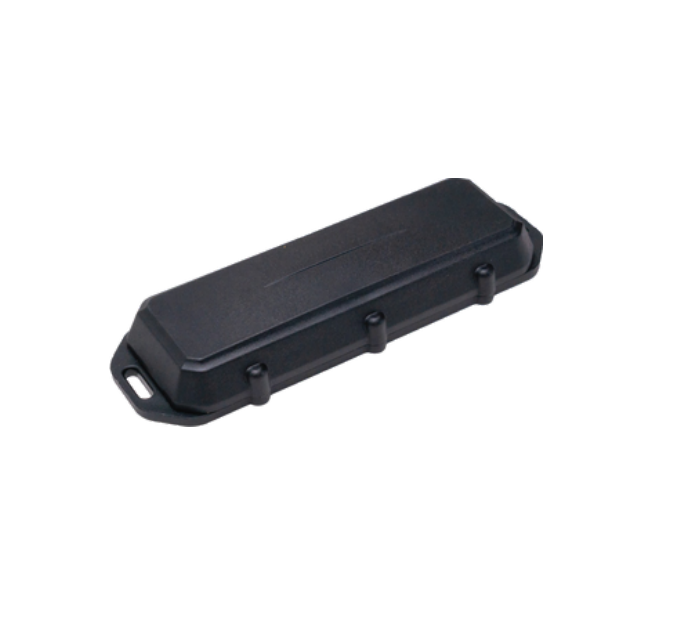
The main differences between asset tracking and vehicle tracking
Once you strip it back, asset tracking vs vehicle tracking comes down to a few practical differences. The two overlap, which is why the names get muddled, but they are pointed at different problems.
1. What they track
Vehicle tracking follows powered vehicles in daily use. Asset tracking follows movable equipment such as trailers, plant and tools, which may have no power of its own and can sit idle for long stretches.
4. The data they give
Vehicle tracking usually pulls in richer data such as driver behaviour and vehicle health. Asset tracking focuses on location, use and theft protection.
Read how asset tracking stops more than theft2. How they are powered
A vehicle tracker draws power from the vehicle it is fitted to, so there is nothing to recharge or replace. An asset tracker runs on its own battery, with a life of around three to four years before it needs changing.
5. The question they answer
Vehicle tracking tells you how your fleet is being driven and where it is right now. Asset tracking tells you where your equipment is and whether it is being used or left standing.
3. How often they report
A vehicle tracker reports live throughout the day. An asset tracker reports at set intervals, often once a day by default, with the option to report more often for kit that needs closer watching.
When you need vehicle tracking
If your main concern is the fleet itself, vehicle tracking is the answer. It helps you plan work around where vehicles actually are, respond faster when the day changes, and back up what happened on a job with real data. It also gives you a clearer view of driving standards, which feeds into safety, fuel use and wear on the vehicles. For most operators running vans or HGVs, this is the starting point.
When you need asset tracking
If your losses and headaches come from equipment rather than vehicles, asset tracking is what you want. Businesses in construction, plant hire, logistics and events often have large sums tied up in trailers and equipment that move between sites and are easy to lose sight of.
Asset tracking gives you that oversight, helps recover kit if it is taken, and shows you which items are working hard and which are sitting unused and could be moved to where they are needed. When a single trailer or machine can be worth tens of thousands of pounds, knowing where it is has an obvious value.
Why many fleets use both
In practice, plenty of operators need both, because they run vehicles and move valuable equipment. This is where treating asset tracking vs vehicle tracking as a straight choice between one or the other stops making sense.
TrafficAngel brings vehicle tracking and asset tracking together on one platform, so location, reporting and connected insight sit in the same place. Rather than logging into one system for vans and another for trailers, a manager can see the whole operation at once and make quicker decisions off the back of it.
Asset tracking vs vehicle tracking, which one is right for you
So when it comes to asset tracking vs vehicle tracking, the answer depends on what you are trying to protect and understand. Track your vehicles when the priority is your fleet and how it is driven. Track your assets when the priority is your equipment and where it ends up. Do both when your business runs on a mix of the two.
If you are not sure which fits your operation, TrafficAngel can help you match the right solution to your vehicles, assets and reporting needs. They have supplied fleet and safety technology since 2004 and are happy to talk it through. Call 01825 768 555 or fill out our contact form to arrange a demo.
Contact Us“We have been using Traffic Angel equipment since 2017 and have a fleet of 25 HGVs and trailers ranging from 12 tonnes rigids to 44 tonnes artics with their camera systems on.
We find the camera systems reliable and it’s easy to download and review footage.
The installation of the system is very professional with the wiring and cable runs very neat and tidy.
On the rare occasion we have needed their back up and support service it has been fast and efficient.
They are a friendly and very easy company to deal with and the products they supply are durable and reliable.”
Frequently Asked Questions
No. A vehicle tracker needs a power feed from the vehicle it is fitted to, so it will not run on a trailer, generator or machine that has no power of its own. That is the job an asset tracker does, on its own battery. Try to cover unpowered kit with vehicle trackers and you lose sight of it the moment it is parked or uncoupled.
Yes. Asset tracking can be added to a fleet that already runs vehicle tracking, and both report into the same TrafficAngel platform. You are not starting again or running a second system, you fit asset trackers to the kit that needs them and they show up alongside your vehicles.
Start with whichever covers your bigger risk. If most of your losses come from how the fleet is run and driven, vehicle tracking earns its place first. If your equipment is what goes missing or ends up idle in the wrong yard, begin with asset tracking. You can add the other when the budget allows.
Where your equipment is when it is not attached to a vehicle. A vehicle tracker only reports on the van or cab it is fitted to, so a trailer sitting in a yard or a machine dropped at another site does not show up. An asset tracker reports from the equipment itself, coupled to a vehicle or not.


