


Helping plant operators meet the camera spec needed
to work on Balfour Beatty sites
The Balfour Beatty plant vehicle camera requirements are the camera and detection standards every plant vehicle needs to meet before it can work on one of their construction sites, which are among the largest in the UK.
The spec is updated regularly, and it covers pedestrian detection, blind spot coverage, in-cab visibility, and operator alerts. Most operators only learn about it once they’re already booked onto a job, which is when the pressure starts.
We help plant operators and fleet managers understand what the requirements involve, work through the spec for the specific site, and fit PlantShield 360 to the machine so the vehicle is ready for site without a last-minute scramble.
Prenota una demo di PlantShield 360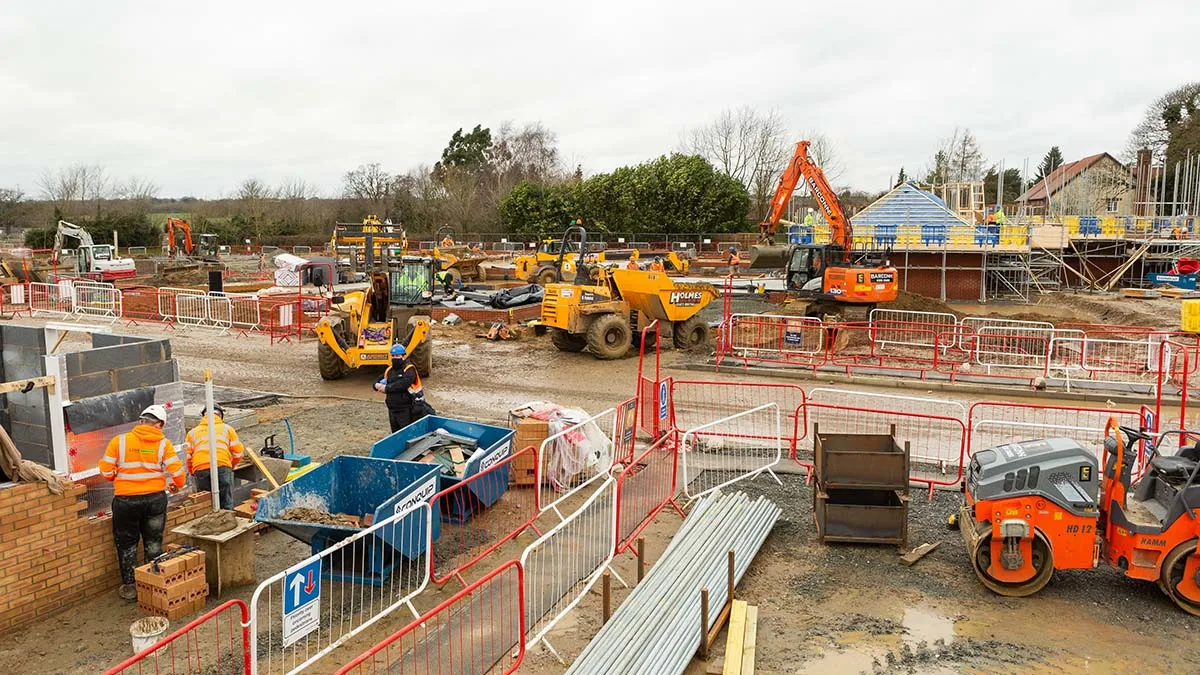
What Plant Operators Need To Know
We get a steady flow of calls from plant hire companies, subcontractors and fleet managers asking the same question. Their machine is being sent to a Balfour Beatty job, the principal contractor has issued a specification, and the operator needs to know whether their existing camera setup is enough. The honest answer is that most older systems are not. Balfour Beatty plant vehicle camera requirements focus on pedestrian detection, blind spot coverage, in-cab visibility and operator awareness. The spec exists because plant and people working in the same space is one of the highest-risk activities on any construction site, and the Health and Safety Executive sets clear expectations for how that risk should be managed. A standard reversing camera does not satisfy a modern site spec on its own. We are a UK-based vehicle safety systems specialist, and we built PlantShield 360 to match the kind of detection and coverage requirements principal contractors like Balfour Beatty now expect.
Reversing Cameras Aren’t Enough
If a machine turns up on a Balfour Beatty site with a single rear camera and no detection technology, it is unlikely to be cleared to work. The risk profile of a busy site has changed. Plant moves more often, more subcontractors share the space, and near-miss reporting has improved to the point where blind spot incidents are taken seriously at board level.
Principal contractors respond by tightening the spec. Cameras alone are no longer the standard. Operators are expected to have coverage of the main blind spots, in-cab monitor visibility (from 01/03/2027), detection technology that warns the operator when a person is close, and alerting that works in noisy, dusty site conditions. Older kit is usually unable to meet these standards.
How PlantShield 360 Lines Up With The Spec
PlantShield 360 was built for site environments where pedestrians and plant share the same ground, and the feature set maps closely onto the kind of camera spec a principal contractor like Balfour Beatty publishes for plant on its sites.
AI Human Form Recognition cameras – The cameras focus on detecting people rather than general movement. That matters on a busy site, because operators stop responding to alerts if they trigger constantly. Human form detection helps the alerts significance and reduces sensory overload.
Configurable caution and danger zones – We set detection zones to suit the machine and the way it operates on site. An outer caution zone gives early warning, an inner danger zone triggers a stronger alert.
In-cab visual and audible alerts – The operator gets clear warnings inside the cab, including which area of the machine the pedestrian has been detected in.
Thumbs Up confirmation – The Thumbs Up system gives ground workers a way to confirm they have been seen before approaching the machine. This supports clearer communication between pedestrians and operators, which is something a lot of principal contractors are now requesting.
Recording for incident review – Where recording is included, footage supports near-miss reviews, training and incident investigation. Site managers can use this to refine traffic management and exclusion zones based on what is actually happening on the ground.
Typical Requirements
Each principal contractor publishes its own version of a plant safety specification, and these are reviewed regularly. Balfour Beatty site requirements typically focus on the following areas, and PlantShield 360 has been built around each one.
- Pedestrian detection around the machine. Sites expect more than a camera feed. They expect the system to identify a person near the machine and alert the operator before contact is made. PlantShield 360 uses AI-based Riconoscimento della forma umana to do exactly this. The cameras are trained to detect the human form rather than reacting to every passing object, which means fewer false alerts and more useful warnings.
- Configurable detection zones. Different machines and site layouts call for different detection ranges. A telehandler in a tight yard needs different zones than a 360 excavator on an open plot. PlantShield 360 lets us set caution and danger zones around the machine to match the way it is used on site.
- Clear in-cab operator alerts. Operators need visual and audible warnings they can react to in noisy environments. PlantShield 360 provides in-cab alerts that show the operator where a pedestrian has been detected, not just that someone is somewhere nearby.
- Camera coverage of key blind spots. Plant cabs have fixed visibility limits. Cameras are fitted to cover the areas where direct vision is poorest, including the rear, sides and front of the machine where required.
- Support for site safety procedures. No camera system replaces a banksman, a traffic management plan or operator training. PlantShield 360 works alongside those existing controls, adding another layer of awareness rather than replacing what is already in place.
Getting Cleared for Balfour Beatty Sites
For most operators, the practical question is whether the machine will be cleared at the gate. The answer comes down to whether the camera spec on the vehicle matches the spec the site has published for that job.
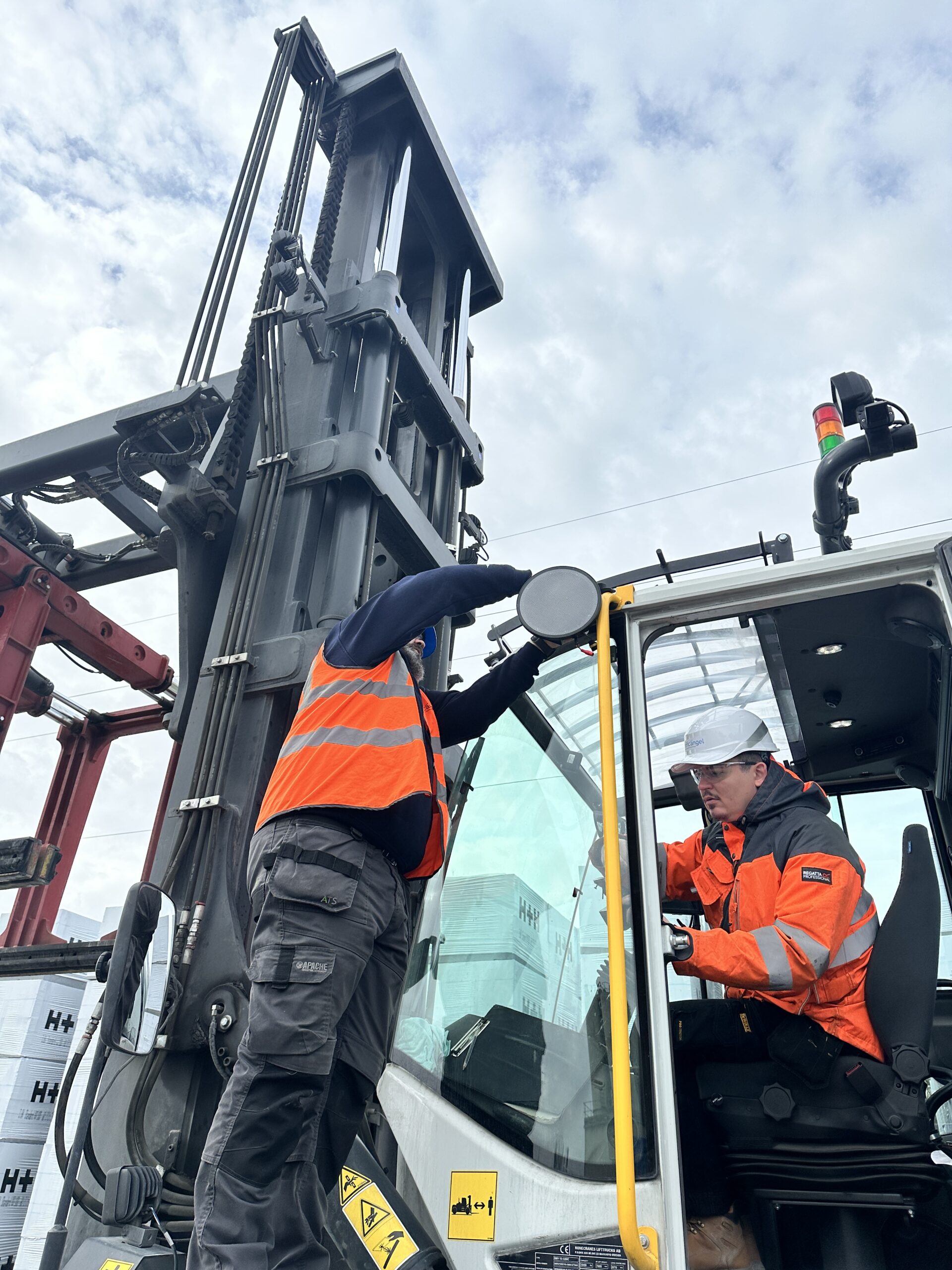
Our approach is straightforward. Send us the site spec, or tell us which Balfour Beatty site the machine is going to. We will go through the requirements with you, look at the machine, and tell you what needs to be fitted. We fit PlantShield 360 to match the spec, set the detection zones for the way the machine will be used, and brief the operator on how the system works.
We also handle this at fleet scale. Plant hire operators with mixed fleets often need to standardise across machines so any vehicle going to a Balfour Beatty job is cleared without worry. We work with operators on a rolling installation plan rather than fitting one machine at a time under pressure.

Perché scegliere TrafficAngel?
UK-based engineering and support
PlantShield 360 was developed by our in-house product engineering team and is supported from our base in East Sussex. We are only a call or email away should any support or technical assistance be required.
Experience with major construction sites
We work with plant hire operators, fleet managers and contractors supplying machines to major UK construction projects. We worked with H+H, a brick manufacturer with a fleet of plant and yard vehicles, to fit PlantShield 360 across their machines. Please see our H+H case study for more details.
Bespoke fitting for each machine
No two machines are the same. Camera position, detection zones and operator alerts are configured for the specific machine and the way it is used.
Requisiti per le telecamere a bordo veicolo dell'impianto Balfour Beatty
If you have a job coming up on a Balfour Beatty site and you need your plant fitted with a camera and detection system that meets the spec, we can help. Send us the requirements or call us with the machine details, and we will advise you on exactly what is needed. PlantShield 360 has been built to support Balfour Beatty plant vehicle camera requirements, and we install and support it from the UK.
Get In Touch TodayFAQ Section
Balfour Beatty publish a plant safety specification that sets out camera and detection requirements for vehicles working on their sites. It covers pedestrian detection, blind spot coverage, in-cab visibility and operator alerts. Each job may have its own version, so we always recommend checking the spec for the site the machine is going to.
PlantShield 360 has been built around the kind of pedestrian detection and camera coverage major principal contractors expect, including Balfour Beatty. We are also in the process of formal certification. In the meantime, the system functionally aligns with their requirements and we are happy to walk through any specific site spec with you.
Yes. PlantShield 360 is fitted to a wide range of plant, including excavators, telehandlers, forklifts, dumpers, loading shovels and yard vehicles. We assess the machine and fit the system to suit, providing custom engineered solutions where required.
Most installations take less than a day per machine, depending on the vehicle and the number of cameras. We coordinate installs with operators to keep machines on the road or on site wherever possible.
Yes. We supply and install across the UK, and we can also support self-fit and supply-only arrangements for fleets with their own engineers.
No. Camera and detection systems support site safety, they do not replace it. PlantShield 360 works alongside banksmen, exclusion zones, traffic management plans, signage and operator training.
Each site publishes its requirements as part of the principal contractor pack. If you can share the spec with us, we will go through it and tell you what needs to be fitted. If you do not have the document, we can usually work from the job and machine details.


