


O que o rastreamento de veículos traz para o dia a dia da gestão de frotas
Ter um sistema de rastreamento de veículos para gestão de frotas oferece ao gestor de frotas ou de transportes uma visão em tempo real da localização de cada veículo, seu histórico e como está sendo conduzido, tudo a partir de uma única plataforma. Quando bem utilizado, é uma das ferramentas mais úteis que uma frota pode ter no dia a dia. prevenção de roubo é apenas parte do que faz. O Sistema de rastreamento de veículos TrafficAngel Foi desenvolvido para vans, veículos pesados e frotas comerciais mistas, oferecendo aos gestores localização em tempo real, histórico de rotas, geofencing, alertas, dados de comportamento do motorista e relatórios em um único sistema integrado.
Descubra mais
O que o rastreamento de veículos para gestão de frotas realmente faz
Muitas frotas já possuem algum tipo de sistema de rastreamento instalado, mas só o utilizam quando algo dá errado. Ter um sistema de rastreamento de veículos de qualidade para sua frota funciona de maneira oposta. As informações estão disponíveis diariamente para ajudar no planejamento de tarefas, responder a dúvidas de clientes, verificar se os veículos estão onde deveriam estar e detectar problemas precocemente. A localização em tempo real informa o que está acontecendo agora. O histórico de rotas mostra o que aconteceu anteriormente. Os relatórios transformam semanas de atividades em dados concretos para tomada de decisões, e o valor está em utilizar todas essas informações como parte da gestão da frota, em vez de mantê-las como reserva para um incidente.
Localização em tempo real e controle operacional diário
O ponto de partida é saber a localização de cada veículo em tempo real, em um único mapa. A localização em tempo real oferece ao gestor de frota um controle operacional diário que ligações telefônicas e mensagens de acompanhamento nunca conseguem proporcionar. Se um cliente ligar perguntando sobre a entrega, você pode responder sem precisar contatar o motorista. Se uma tarefa precisar ser coberta com urgência, você pode ver qual veículo está mais próximo. Se algo parecer errado, como um veículo parado em um local inadequado, você vê a situação no momento em que acontece, em vez de ficar sabendo depois. Para a maioria das frotas, essa visão única da atividade em tempo real é o que transforma a maneira como o escritório funciona em um dia agitado.
Histórico de rotas e planejamento de viagens mais inteligente
Cada viagem realizada por um veículo é registrada, permitindo que você consulte as rotas percorridas, as paradas feitas e a duração de cada trajeto. O histórico de rotas é útil para muito mais do que apenas monitorar o desempenho de um motorista. Ele mostra quais rotas realmente funcionam, onde o tempo está sendo perdido e se o planejamento da rota no papel corresponde ao que acontece na estrada. Ao longo de algumas semanas, esse registro ajuda a otimizar o cronograma e a fornecer orçamentos mais precisos para trabalhos recorrentes. Além disso, oferece respostas claras e com registro de data e hora quando há dúvidas sobre uma entrega, uma folha de ponto ou uma disputa com um cliente.
Comportamento do condutor e frotas mais seguras
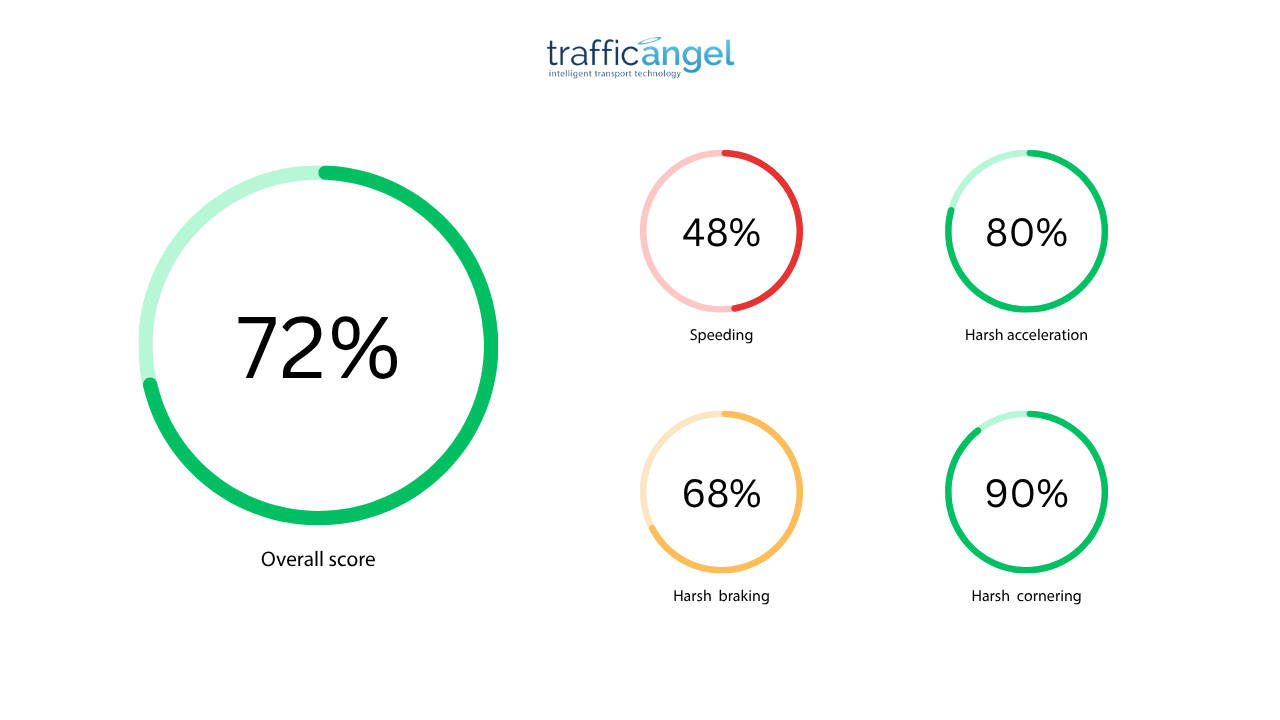
O rastreamento de veículos para gestão de frotas também mostra como seus veículos estão sendo conduzidos, e não apenas para onde vão. Os dados de comportamento do motorista identificam hábitos como excesso de velocidade, frenagens bruscas e longos períodos em marcha lenta, permitindo que você tome medidas preventivas antecipadamente, em vez de esperar por um quase acidente ou um veículo danificado. Uma condução mais segura geralmente significa menor consumo de combustível, menor desgaste da frota e menos incidentes, o que é importante tanto para os custos quanto para o seguro. Órgãos de segurança rodoviária, como... RoSPA Publicar orientações sobre como gerenciar o risco do motorista e rastrear dados fornece a visão diária necessária para agir de acordo com essas orientações.
Geofencing e alertas que sinalizam os itens corretos
O geofencing permite que você defina um limite virtual em torno de locais importantes, como seu depósito, a sede de um cliente ou um pátio, e o sistema registra quando um veículo entra ou sai. Combine isso com alertas e a frota começará a avisá-lo quando algo precisar de atenção.
Você pode configurar alertas para movimentação fora do horário de trabalho, para um veículo que sai de um local onde deveria estar estacionado ou para uma rota que foi abandonada no meio do caminho. O objetivo é ser notificado sobre os poucos eventos importantes em um determinado dia, em vez de ficar sentado olhando para uma tela. Alertas bem configurados também são um dos avisos precoces mais claros que você recebe caso um veículo seja levado ou usado sem permissão.
Relatórios que transformam dados em melhores decisões.
A geração de relatórios é onde o rastreamento de veículos para gestão de frotas se destaca a longo prazo. A plataforma transforma quilometragem, viagens, paradas, tempo ocioso e comportamento do motorista em relatórios realmente úteis, permitindo que as decisões sobre rotas, uso de veículos e planejamento sejam baseadas em atividades reais, em vez de palpites. Os relatórios facilitam a identificação de quais veículos estão sendo mais utilizados, onde a quilometragem está aumentando e quais partes da operação poderiam ser mais eficientes. Para uma frota em crescimento, essa visibilidade muitas vezes representa o diferencial entre adicionar mais um veículo e obter melhor desempenho dos que já estão em operação.
Onde a prevenção de crimes no transporte de cargas se encaixa
Crimes relacionados a cargas e roubo de veículos Ainda são uma preocupação para as empresas de transporte de veículos no Reino Unido, e o rastreamento desempenha um papel fundamental no combate a esses furtos. Se um veículo for roubado, a localização em tempo real e o registro com data e hora fornecem informações úteis para você e para a polícia trabalharem, e os alertas avisam com antecedência que algo está errado. Vale a pena ter um sistema de rastreamento, mas ele complementa todas as outras funções que o sistema já oferece no dia a dia, e não é o único motivo para instalá-lo. Um sistema que você já utiliza para planejamento, visibilidade e segurança do motorista também é o que ajuda a responder rapidamente nas raras ocasiões em que algo desaparece.
Veja o Sistema Completo de Rastreamento de Veículos
Como funciona o rastreamento de veículos da TrafficAngel
Um dispositivo de rastreamento GPS instalado em cada veículo envia sua localização e dados de viagem para uma plataforma conectada, permitindo que você visualize posições em tempo real, revise viagens e verifique a atividade em um só lugar, seja no seu computador ou em um aplicativo móvel enquanto estiver fora. A TrafficAngel também opera o Plataforma telemática LiveDriveE, nos veículos equipados com câmeras, o vídeo ao vivo e gravado fica integrado aos dados de rastreamento, proporcionando uma visão completa de toda a frota.
O sistema é adequado tanto para vans quanto para caminhões e frotas mistas, permitindo que operadores menores tenham a mesma visibilidade em tempo real que os maiores, e a plataforma acompanha o ritmo à medida que novos veículos são adicionados. Para caminhões e entregas em múltiplos pontos, onde as viagens são mais longas e os prazos mais apertados, essa visibilidade é, muitas vezes, onde o rastreamento de veículos para gestão de frotas faz a maior diferença no dia a dia.
Primeiros passos com o rastreamento de veículos para gestão de frotas
O rastreamento de veículos para gestão de frotas oferece o máximo benefício quando integrado à operação diária da frota, em vez de ser consultado apenas após um incidente. Além disso, como o sistema conta com suporte de uma equipe sediada no Reino Unido, você terá contato com as pessoas que o configuraram para tirar suas dúvidas. Se você busca maior visibilidade, melhor controle e dados úteis para embasar suas decisões diárias, a TrafficAngel pode ajudá-lo a escolher a solução ideal. Ligue agora. 01825 768 555, e-mail sales@trafficangel.co.uk, ou contato A equipe da TrafficAngel entrará em contato para agendar uma demonstração do sistema de rastreamento de veículos.
Contate-nosPerguntas frequentes
Como funciona o rastreamento de veículos da TrafficAngel
Um dispositivo de rastreamento GPS instalado em cada veículo envia sua localização e dados de viagem para uma plataforma conectada, permitindo que você visualize posições em tempo real, revise viagens e verifique a atividade em um só lugar, seja no seu computador ou em um aplicativo móvel enquanto estiver fora. A TrafficAngel também opera o Plataforma telemática LiveDriveE, nos veículos equipados com câmeras, o vídeo ao vivo e gravado fica integrado aos dados de rastreamento, proporcionando uma visão completa de toda a frota.
O sistema é adequado tanto para vans quanto para caminhões e frotas mistas, permitindo que operadores menores tenham a mesma visibilidade em tempo real que os maiores, e a plataforma acompanha o ritmo à medida que novos veículos são adicionados. Para caminhões e entregas em múltiplos pontos, onde as viagens são mais longas e os prazos mais apertados, essa visibilidade é, muitas vezes, onde o rastreamento de veículos para gestão de frotas faz a maior diferença no dia a dia.
Não. A prevenção de roubos é um benefício, mas a maioria das frotas usa o rastreamento muito mais para a gestão diária, como localização em tempo real, histórico de rotas, comportamento do motorista e geração de relatórios. Ele ajuda a planejar o trabalho, responder a perguntas de clientes e operar a frota com mais eficiência, sendo a segurança um recurso adicional, e não o único motivo para a instalação.
O rastreamento em tempo real mostra a localização exata de um veículo, o que é útil para gerenciar tarefas e responder a perguntas conforme elas surgem. O histórico de rotas registra os trajetos já percorridos pelo veículo, incluindo rotas, paradas e tempos de viagem, sendo útil para planejamento, verificação de atividades e resolução de eventuais disputas após a ocorrência.
Sim. Os relatórios de comportamento do condutor destacam hábitos como excesso de velocidade, travagens bruscas e marcha lenta prolongada. Isto permite-lhe abordar a condução de risco precocemente, promover hábitos mais seguros em toda a frota e reduzir o consumo de combustível, o desgaste do veículo e o risco de acidentes associados a uma condução inadequada.
Sim. O geofencing permite definir limites virtuais em torno de depósitos, instalações de clientes ou pátios, e você pode configurar alertas para eventos como movimentação fora do horário comercial, violações de geofencing ou atividades inesperadas. Isso significa que você é notificado sobre os problemas que precisam de atenção sem precisar monitorar o sistema o dia todo.
Sim. O sistema de rastreamento de veículos TrafficAngel funciona para operações de diferentes portes, seja você proprietário de algumas vans ou de uma grande frota de caminhões. Operadores menores obtêm a mesma visibilidade e controle em tempo real que frotas maiores, e o sistema acompanha o crescimento da frota.
O melhor ponto de partida é conversar com a TrafficAngel sobre como sua frota opera e o que você espera obter com o rastreamento. Você pode ligar para 01825 768 555, enviar um e-mail para sales@trafficangel.co.uk ou usar a página de contato para agendar uma demonstração e solicitar um orçamento.


