


Gain Full Visibility of every Truck and its Activity
TrafficAngel’s truck tracking system gives transport teams a live view of their HGV fleet without relying on calls, messages or end-of-day paperwork. From one platform, you can check vehicle locations, review previous journeys, set alerts, monitor driver behaviour and turn daily activity into reports the business can use.
Built for commercial vehicles and the realities of fleet work, the system helps managers deal with late-running jobs, route changes, unexpected movement, customer queries and rising operating costs while the vehicles are still on the road.
- Live GPS location and vehicle status
- Journey history, routes, stops and mileage
- Geofences and configurable alerts
- Driver behaviour and idling insight
- Fleet reports and mobile access
- Device health and selected vehicle data
- Options to connect tracking with TrafficAngel cameras and LiveDrive
Every HGV mile has an Operational Cost
These are national figures rather than a measure of any one fleet, but they show why routing, vehicle use and empty running deserve attention. A truck tracking system gives your business its own evidence: where time is being lost, where routes repeat inefficiently and which vehicles may be underused.
Stats courtesy of the Department for Transport: Domestic road freight statistics, United Kingdom: 2025
HGV Tracking built around Real Fleet Operations
Trucks move between depots, ports, customer sites, distribution centres and overnight parking areas. Schedules change during the day, and drivers cannot be interrupted every time the office needs an update. A late arrival may affect loading teams, customer bookings and the next job on the vehicle.
TrafficAngel’s HGV tracking system gives the business a shared view of what is happening. Fleet managers can see current locations, operations teams can answer delivery queries, and senior decision-makers can review performance using recorded data rather than assumptions.
The point is not to watch dots move across a map. It is to make better decisions with less chasing.
What the TrafficAngel Truck Tracking System shows you
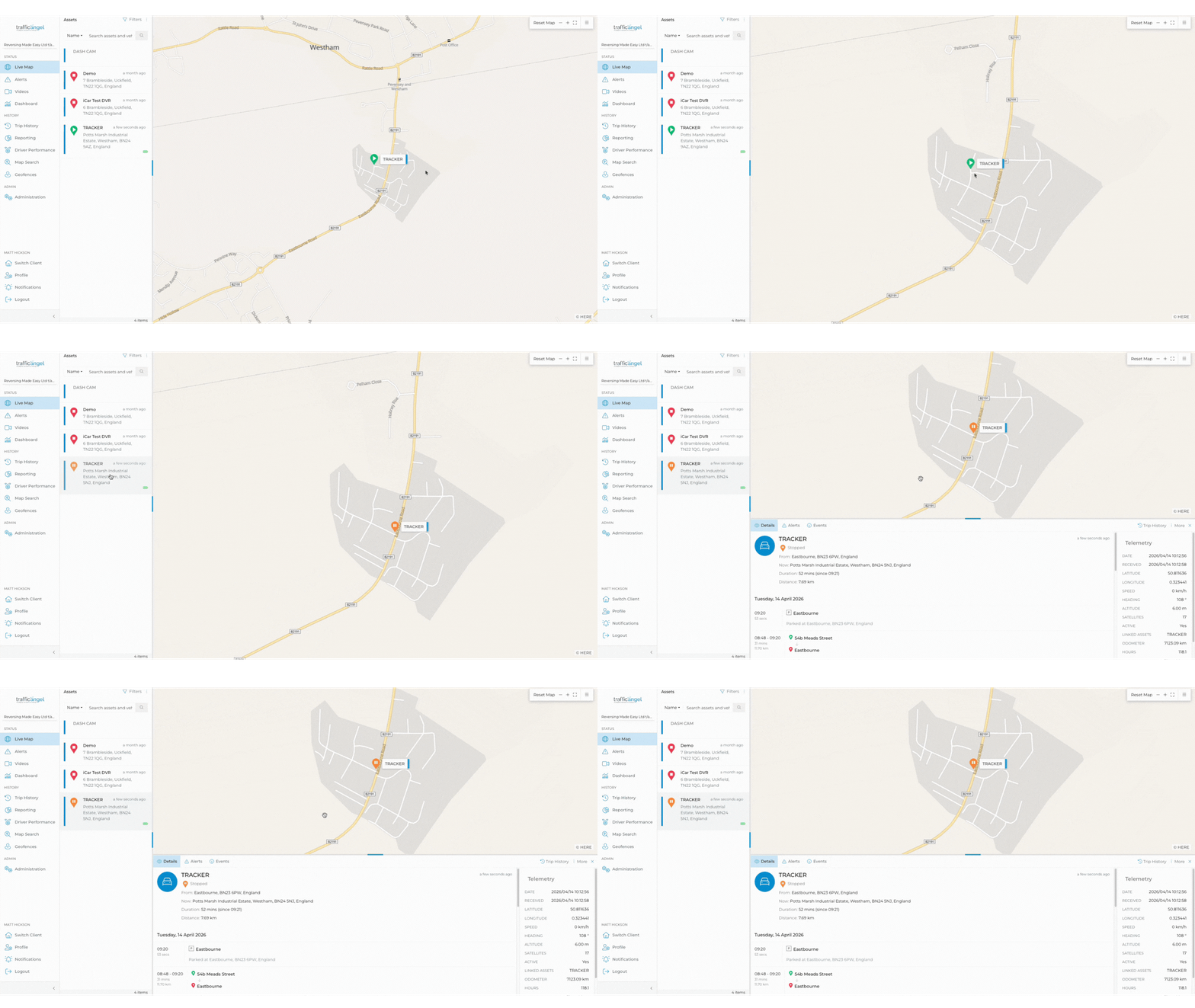
See the current location and status of each connected truck on one live map. This helps the team respond to delays, allocate urgent work and identify the nearest suitable vehicle without repeatedly contacting drivers.
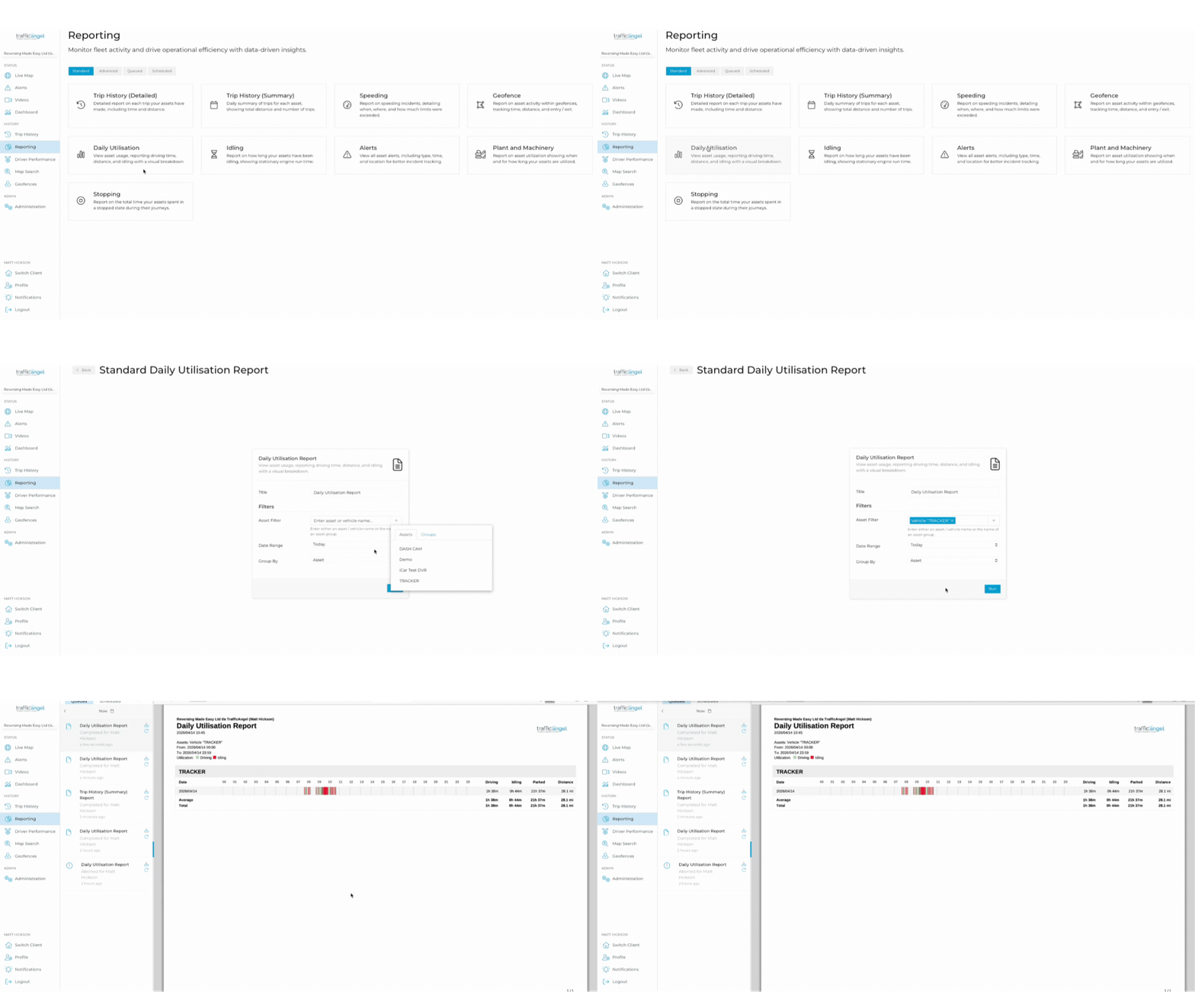

Tracking and Camera Visibility from one supplier
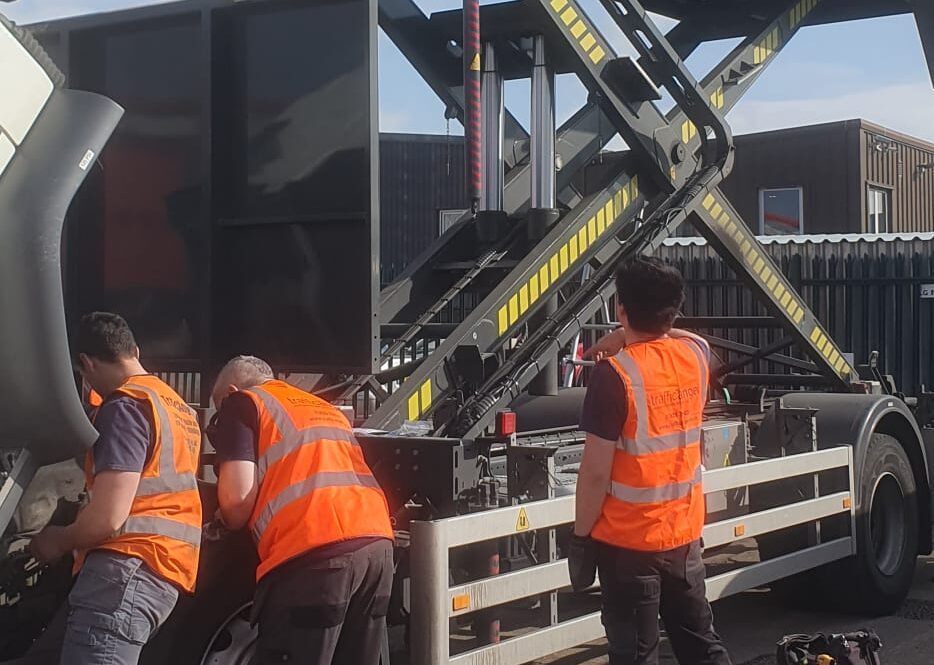
TrafficAngel also supplies commercial vehicle cameras, DVR recording systems şi LiveDrive remote video telematics. Where a fleet needs both location data and video evidence, the project can be planned as one connected vehicle-safety setup rather than several unrelated systems.
Discutați cu un expert în telematicăUseful across the Buying Team
Fleet and Transport Managers

Track daily movement, check route progress, manage exceptions and review driver or vehicle activity without spending the day chasing updates.
Operations and Customer-Service Teams

Give more informed arrival updates, confirm when a vehicle reached or left a site and respond faster when the schedule changes.
Directors, Finance and Procurement

Use reports to investigate repeated idling, wasted mileage, underused vehicles and avoidable administrative disputes. Tracking does not reduce costs by itself. It shows where cost and time may be leaking, so the business can decide what needs to change.
Health and safety, HR and compliance teams

Use driving information as one part of a wider road-risk process. A clear policy helps drivers understand what is recorded, how it will be used and where coaching may be needed.
Turning Tracking Data into better cost control
Fuel, tyres, maintenance, driver time and vehicle finance all contribute to the cost of every mile. What matters most is not simply that a truck has moved, but whether that movement was planned, whether the route was the most efficient option available, and whether avoidable time was lost through waiting, congestion or unnecessary idling.
A commercial truck tracking system can surface patterns such as:
- repeated detours or avoidable mileage
- long periods of idling
- vehicles regularly returning empty
- uneven use across similar trucks
- recurring delays at particular sites
- differences between planned and actual journey times
Managers can then review scheduling, customer booking times, route planning, driver coaching or vehicle allocation based on what the fleet is actually doing.
Supporting Safer Driving without Reducing Drivers to a Score
Telematics data is most useful when it leads to a fair conversation. A harsh-braking event may point to poor driving, but it may also reflect traffic, road layout or another road user. The data should show where to look, not replace judgement.
The Executivul pentru Sănătate și Securitate advises employers to manage work-related road risk and notes that telematică can help monitor indicators such as excessive speed and harsh or erratic driving.
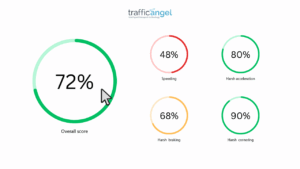
TrafficAngel’s driver-behaviour tools can support that process by helping managers identify repeated patterns and focus coaching where it is genuinely needed.
How the Truck Tracking System is introduced to your fleet
1. Review the operation
TrafficAngel looks at vehicle types, fleet size, routes, depots, reporting needs and the problems the system needs to solve.
2. Choose the right setup
Hardware and platform access are matched to the required level of tracking, reporting, driver-behaviour and vehicle information. Camera or LiveDrive requirements can be considered at the same time.
3. Fit and configure
Tracking devices are professionally installed. Geofences, alerts, vehicle groups and user access can then be configured around the operation.
4. Put the information to work
The team is shown where to find locations, journeys, alerts and reports. The setup can be reviewed and expanded as vehicles, depots or contracts change.
What to Check before choosing an HGV Tracking System
A useful truck tracking system demonstration should answer practical questions, not just show a polished map.
- How often does the vehicle location update?
- Which alerts can be configured, and who receives them?
- Can trucks be grouped by depot, contract or vehicle type?
- What journey, mileage, stop and idling reports are available?
- Can managers use the platform from a phone or tablet?
- Does it show when a tracking device has stopped reporting?
- What driver behaviour information is recorded?
- Can trailers and non-powered assets be tracked separately?
- Can cameras or video telematics form part of the wider setup?
- How is installation planned around vehicle availability?
- What training and aftersales support are included?
- Can the rollout be phased around contracts or budgets?
The right truck GPS tracker is not necessarily the one with the longest feature list. It is the one your team can use to answer real operational questions.
Explore TrafficAngel Tracking SolutionWhy TrafficAngel
TrafficAngel has worked with commercial vehicle operators for more than 20 years, supplying, installing and supporting tracking, camera, recording and safety systems from its base in East Sussex.
That wider experience matters when tracking is only one part of the project. The same team can look at vehicle location, remote video, driver protection, cargo security and other fleet-safety requirements without treating every product as a separate conversation.
- Commercial-vehicle knowledge
- Professional installation planned around fleet availability
- UK-based support and aftersales
- Systems configured around the operation
- Options for trucks, trailers, vans and mixed fleets
- A wider range of cameras, DVRs, telematics and security systems
Întrebări frecvente
A truck tracking system uses a GPS device fitted to an HGV or commercial vehicle to send location and activity data to an online platform. Fleet managers can view live positions, review journeys, set alerts and report on vehicle use.
The fitted device receives location information from GPS satellites and sends relevant data through a mobile network to the tracking platform. Authorised users can then view current and historical information from a computer or supported mobile device.
Yes. It can be used across rigid trucks, tractor units and mixed commercial fleets.
Trailers that are regularly uncoupled should normally have their own asset tracker so their location is not dependent on the tractor unit.
Yes. The platform provides live location and vehicle-status information, subject to connectivity and the reporting setup agreed for the fleet.
It can identify operating patterns linked with avoidable fuel use, including excessive idling, unnecessary mileage and inefficient routes. Any saving depends on what the business does with that information.
Yes. Driver-behaviour information can highlight patterns such as speeding, harsh driving and idling.
It should be used as part of a fair, documented safety and coaching process rather than as a judgement on one isolated event.
Businesses can use vehicle tracking for legitimate operational purposes, but monitoring must be transparent, proportionate and handled in line with data-protection requirements.
The Information Commissioner’s Office says workers and passengers must be informed about vehicle monitoring, and private vehicle use needs particular consideration. Obtain appropriate data-protection advice when setting your policy.
No. A GPS tracking system and a tachograph serve different purposes. Operators must continue to follow the drivers’ hours and tachograph rules that apply to their vehicles and journeys.
Yes, but the trailer should have a suitable asset tracker if it needs to remain visible when uncoupled. This is useful for trailers moving between tractor units, depots or customer sites.
Yes. TrafficAngel supplies vehicle tracking, DVR recording and LiveDrive remote video solutions.
The exact connection and available features depend on the equipment and package selected, so this should be confirmed during the fleet review.
Yes. A smaller operator may use it mainly for live visibility, journey records, security and customer updates, then add reporting or connected features as the fleet grows.
Installation time depends on the vehicle, hardware and whether tracking is being fitted alongside cameras or other systems. TrafficAngel can plan the work once the fleet specification and vehicle availability are known.


