


What Vehicle Tracking Brings to Everyday Fleet Management
Having vehicle tracking for fleet management gives a fleet or transport manager a live view of where every vehicle is, where it has been, and how it is being driven, all from one platform. Used well, it is one of the most useful day-to-day tools a fleet can have, and theft prevention is only part of what it does. The TrafficAngel vehicle tracking system is built for vans, HGVs and mixed commercial fleets, giving managers live location, route history, geofencing, alerts, driver behaviour data and reporting in one connected system.
Uzzināt vairāk
What Vehicle Tracking for Fleet Management Actually Does
A lot of fleets already have some form of tracking fitted, but they only ever look at it after something has gone wrong. Having a quality system for vehicle tracking for your fleet works the other way round. The information is there every day to help you plan jobs, answer customer queries, check that vehicles are where they should be, and catch problems early. Live location tells you what is happening now. Route history tells you what happened earlier. Reporting will turn weeks of activity into something you can act on and the value is in using all of it as part of how the fleet runs, rather than keeping it in reserve for an incident.
Live Location and Day-to-Day Operational Control
The starting point is knowing where every vehicle is, in real time, on one map. Live location gives a fleet manager the kind of day-to-day operational control that phone calls and check-in messages never quite manage. If a customer rings asking where their delivery is, you can answer without chasing the driver. If a job needs covering at short notice, you can see which vehicle is closest. If something looks wrong, like a vehicle sitting somewhere it should not be, you see it as it happens instead of hearing about it later. For most fleets, that single view of live activity is what changes how your office works during a busy day.
Route History and Smarter Journey Planning
Every journey a vehicle makes is recorded, so you can look back at the routes taken, the stops made, and how long each trip lasted. Route history is useful for far more than checking up on a driver. It shows you which routes actually work, where time is being lost, and whether the way a run is planned on paper matches what happens on the road. Over a few weeks, that record helps you tighten up scheduling and quote more accurately for repeat work. It also gives you a clear, time-stamped answer when there is a query over a delivery, a timesheet or a customer dispute.
Driver Behaviour and Safer Fleets
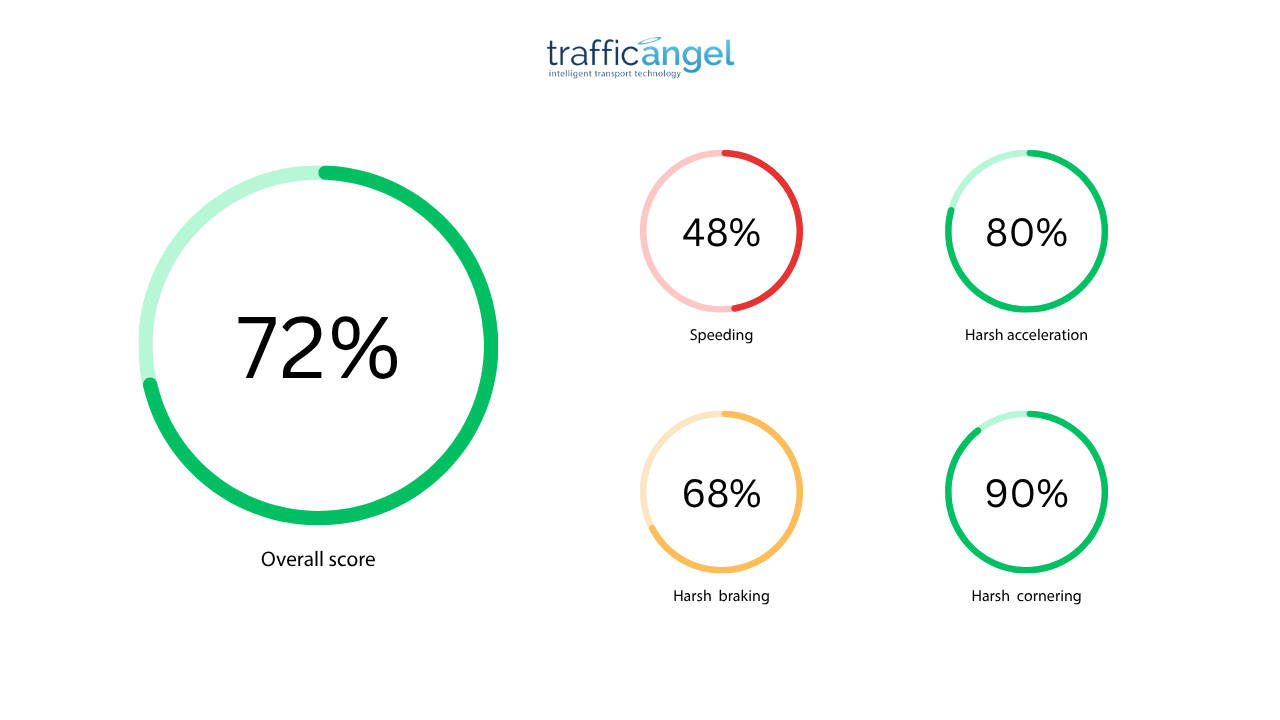
Vehicle tracking for fleet management also shows you how your vehicles are being driven, not only where they go. Driver behaviour data flags habits like speeding, harsh braking and long periods of idling, so you can raise it early rather than waiting for a near miss or a damaged vehicle. Safer driving usually means lower fuel use, less wear on the fleet and fewer incidents, which matters for both costs and insurance. Road safety bodies such as RoSPA publish guidance on managing driver risk, and tracking data gives you the everyday picture you need to act on it.
Geofencing and Alerts That Flag the Right Things
Geofencing lets you draw a virtual boundary around the places that matter, such as your depot, a customer site or a yard, and the system records when a vehicle enters or leaves. Pair that with alerts and the fleet starts to tell you when something needs attention. You can set alerts for movement outside working hours, for a vehicle leaving a site it should be parked at, or for a route that has been abandoned partway through. The aim is to be told about the handful of things that matter on a given day, rather than sitting and watching a screen. Well set-up alerts are also one of the clearest early warnings you get if a vehicle is taken or used without permission.
Reporting That Turns Data Into Better Decisions
Reporting is where vehicle tracking for fleet management earns its place over the long run. The platform turns mileage, journeys, stops, idling and driver behaviour into reports you can actually use, so decisions about routing, vehicle use and scheduling are based on real activity instead of guesswork. Reports make it easier to see which vehicles are working hardest, where mileage is creeping up, and which parts of the operation could run more efficiently. For a growing fleet, that visibility is often the difference between adding another vehicle and getting more out of the ones you already run.
Where Freight Crime Prevention Fits In
Freight crime and vehicle theft are still a concern for UK operators, and tracking has a clear part to play in dealing with them. If a vehicle is taken, live location and a time-stamped record give you and the police usable information to work from, and alerts give you an earlier warning that something is wrong. It is worth having, but it sits alongside everything else tracking does day to day, rather than being the whole reason to fit it. A system you already use for planning, visibility and driver safety is also the system that helps you respond quickly on the rare occasion something goes missing.
See the Full Vehicle Tracking System
Getting Started with Vehicle Tracking for Fleet Management
Vehicle tracking for fleet management gives you the most back when it is part of the everyday running of the fleet rather than something you only check after an incident, and because the system is supported by a UK-based team, the people who set it up are the people you reach when you have a question. If you want clearer visibility, better control and useful data behind your day-to-day decisions, TrafficAngel can help you choose the right setup. Call 01825 768 555, email sales@trafficangel.co.uk, or kontakts the TrafficAngel team to arrange a demo of the vehicle tracking system.
Sazinies ar mumsBieži uzdotie jautājumi
How TrafficAngel’s Vehicle Tracking Works
A GPS tracking device fitted to each vehicle reports its location and journey data to a connected platform, so you can view live positions, review trips and check activity in one place, at your desk or on a mobile app while you are out. TrafficAngel also runs the LiveDrive telematikas platforma, and where vehicles have cameras fitted, that live and recorded video sits alongside your tracking data for the full picture across the fleet.
The system suits vans, HGVs and mixed fleets alike, with smaller operators getting the same live visibility as larger ones and the platform keeping up as you add vehicles. For HGV and multi-drop work, where journeys are longer and schedules tighter, that visibility is often where vehicle tracking for fleet management makes the biggest day-to-day difference.
No. Theft prevention is one benefit, but most fleets use tracking far more for everyday management, such as live location, route history, driver behaviour and reporting. It helps you plan work, answer customer queries and run the fleet more efficiently, with security as an added layer rather than the only reason to fit it.
Live tracking shows where a vehicle is right now, which is useful for managing jobs and answering queries as they come in. Route history is the record of where a vehicle has already been, including the routes, stops and journey times, which is useful for planning, checking activity and settling any disputes after the event.
Yes. Driver behaviour reporting highlights habits such as speeding, harsh braking and excessive idling. This lets you address risky driving early, support safer habits across the fleet, and reduce the fuel use, vehicle wear and incident risk that come with poor driving.
Yes. Geofencing lets you set virtual boundaries around depots, customer sites or yards, and you can configure alerts for events like out-of-hours movement, geofence breaches or unexpected activity. That means you are notified about the things that need attention without having to watch the system all day.
Yes. The TrafficAngel vehicle tracking system works for operations of different sizes, whether you run a few vans or a larger HGV fleet. Smaller operators get the same live visibility and control as bigger fleets, and the system keeps up as the fleet grows.
The best starting point is to speak to TrafficAngel about how your fleet operates and what you want to get out of tracking. You can call 01825 768 555, email sales@trafficangel.co.uk, or use the contact page to arrange a demo and a quote.


