Where truck tracking can help reduce fuel waste
How truck tracking helps fleets control rising diesel costs comes down to spotting avoidable fuel use and acting on it. TrafficAngel’s truck tracking system records routes, mileage, stops, idling and driver behaviour, helping managers investigate repeated detours, unnecessary engine running and delays at customer sites. That information can guide changes to scheduling, route planning and driver coaching. Any fuel savings depend on the changes the fleet makes.
Truck Tracking SystemWhat record diesel prices mean for an HGV fleet
RAC figures published on 2 October 2026 put the UK average diesel pump price at 200.01p a litre, above the previous record of 199.09p set in June 2022. By 9 October, the average had dipped back to 199.90p, still around 57p higher than on 28 February. Actual fleet fuel prices will depend on purchasing arrangements.
Department for Transport figures for 2025 show GB-registered HGVs travelled 19.0 billion kilometres on domestic journeys within the UK, with 31% of the distance travelled empty.
These are national figures rather than a measure of any one fleet. Not every empty journey can be avoided, but reviewing tracking data alongside delivery and load records can help managers identify opportunities to reduce unnecessary mileage.
Where tracking can reveal avoidable fuel use
Tracking reports help managers investigate unnecessary journeys, engine running and repeated delays. The records show where to look; the reason still needs checking.
Long periods of idling. Idling reports show where and how long engines run while trucks are stationary. Check whether this was needed for equipment operation or could have been avoided.
Detours and avoidable mileage. Journey history shows the route each truck took, its stops and mileage. Compare this with the planned route, allowing for road closures, vehicle restrictions and other necessary diversions.
Empty running. Compare journey records with delivery and load records to identify repeated empty trips and assess whether suitable return loads or scheduling changes are possible.
Uneven use across similar trucks. Mileage and journey reports can highlight vehicles that are used less than others. Check their capacity, availability and type of work before changing allocations.
Recurring delays at particular sites. Geofences around depots and customer sites record when a truck enters and leaves. Repeated long visits can prompt a review of booking times and loading arrangements, but time on site does not necessarily mean the engine was running.
Explore Vehicle Tracking
Turning tracking reports into fuel decisions
Use the findings to decide what needs changing, then review the reports to check the results.
Scheduling and customer booking times
If trucks regularly spend longer than expected at a customer site, discuss loading arrangements and booking slots with the customer. Adjusting arrival times may help reduce queuing and avoidable idling.
Route planning
Compare recorded routes and journey times with the schedule. Look for recurring diversions or congestion, then assess alternatives suitable for the vehicle’s dimensions, weight and delivery requirements.
Vehicle allocation
Review underused trucks alongside upcoming jobs, vehicle capacity and availability. This can help establish whether work could be allocated with less unnecessary travel.
Driver coaching
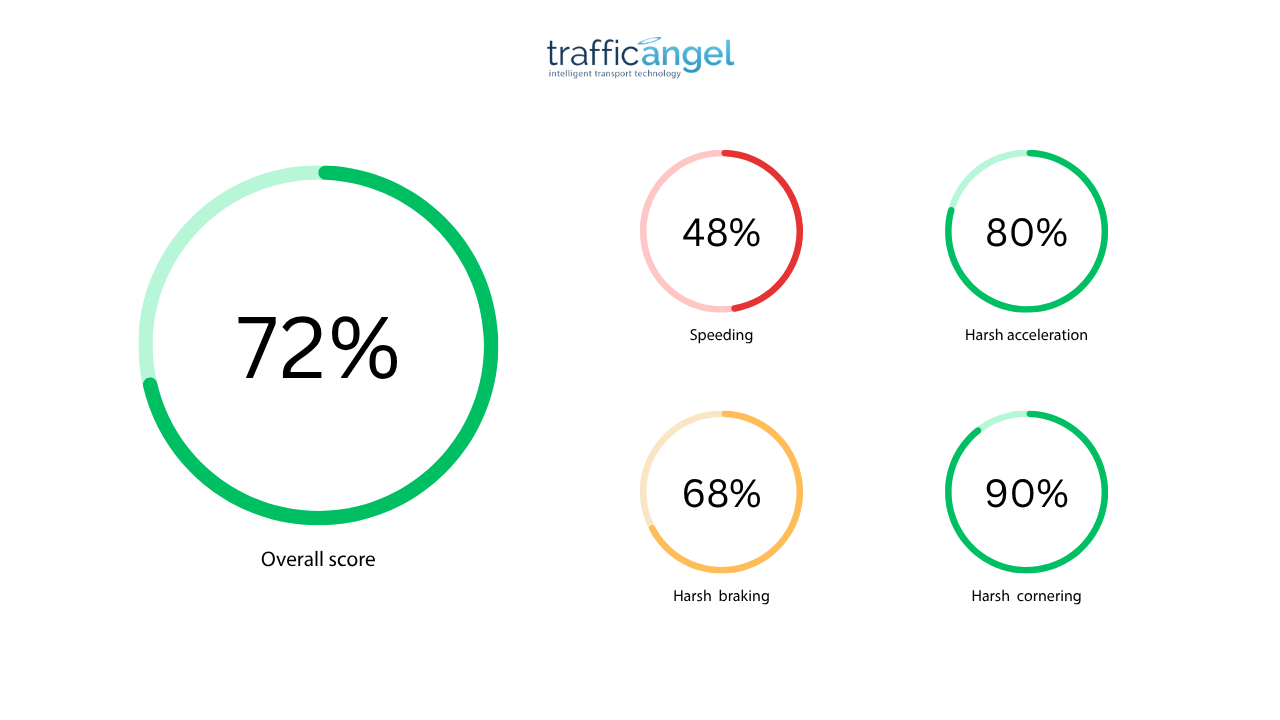
Speeding, harsh driving and excessive idling can be flagged for review. Use repeated patterns to identify where coaching may help, with driver behaviour monitoring without losing driver trust guiding how those conversations are handled.
Using idling and driving data fairly
A harsh-braking event may reflect traffic, road layout or another road user, rather than poor driving. Check the circumstances and discuss them with the driver. Repeated patterns give managers more reason to investigate than one isolated alert, but still need context.
Before monitoring begins, tell drivers what is recorded, why, who can access it and how it will be used. The ICO’s guidance on monitoring workers also highlights the privacy implications of tracking vehicles used privately. The policy and system settings need to account for any permitted private use.
Diesel that leaves the tank without being burned
Fuel theft adds another cost, particularly when trucks are parked overnight. Siphoning removes diesel, while drilling can also leave the operator with a damaged tank. Both are reasons to review fuel theft prevention for commercial vehicles alongside fuel-use reports.
FuelProtect, part of TrafficAngel’s TruckAngel range, uses an AI camera above the fuel tank to detect suspicious human movement while the vehicle is parked. It alerts the driver in the cab, who can activate an external spoken warning and flashing light if they identify a threat. Recording is available on upgraded packages, with LiveDrive remote viewing on the connected version, subject to a data connection.
Introducing truck tracking across a fleet
TrafficAngel reviews your vehicle types, routes, depots and reporting needs before recommending hardware and platform access. Camera and LiveDrive options can be considered at the same time.
After installation, geofences, alerts, vehicle groups and user access can be configured around the operation. Your team is shown how to find locations, journeys and reports, with scope to review the setup as vehicles or contracts change.
If trailers need to remain visible when uncoupled, they need their own suitable asset trackers. GPS trailer tracking for dropped trailers and multi-site fleets keeps their reported locations independent of the tractor units.

Talk to TrafficAngel about fuel and tracking
To see how truck tracking helps fleets control rising diesel costs, book a demonstration and discuss your fleet’s requirements with us. Tell us which routes you run, what information you already have and where you need better visibility. We’ll talk through the tracking and reporting options available for your fleet.
Дзвінок 01825 768 555, електронна пошта sales@trafficangel.co.uk or contact the TrafficAngel team to arrange your demonstration.
Book A Truck Tracking DemoЧасті запитання
No. Tracking helps identify activity worth investigating, such as repeated detours or unnecessary idling. Savings depend on the changes made afterwards, so there is no fixed reduction every fleet can expect.
Yes. TrafficAngel supports rigid trucks, tractor units and mixed commercial fleets. If a trailer needs tracking while detached, it needs a suitable tracker of its own.
Yes. Explain what information is collected, why it is needed and how it will be used. The business also needs a lawful basis for monitoring and must account for driver privacy, including any permitted private vehicle use.
TrafficAngel offers connected tracking and camera options through compatible equipment and LiveDrive. Ask which footage and vehicle data will be available together in the package being quoted.
TrafficAngel offers tracking for smaller operators as well as larger fleets. Its value depends on what you need to manage, such as vehicle locations, journey records or customer arrival queries. Discuss those needs and the ongoing costs before choosing a system.